Industry Insight
The AI Infrastructure Race Is Here — Can Your Design Process Keep Up?
The announcements keep coming: $10B facilities. 500 MW campuses. AI training clusters that didn't exist in planning documents six months ago.
Here's what's not in the press releases: these timelines are brutal.
A telecom giant in East Asia went from design brief to breaking ground in 11 weeks. For context, traditional enterprise data centers often spend 18+ months in design alone.
What's enabling this compression?
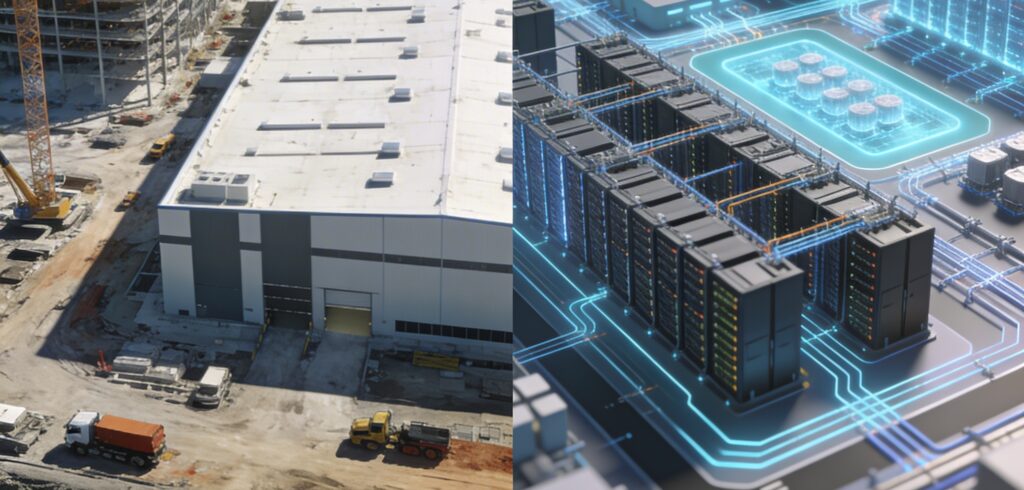
It's not just capital (though that helps). It's design tools that let teams iterate faster, surface conflicts earlier, and generate BOMs automatically. It's digital twins that let remote stakeholders walk the facility before concrete is poured.
The gap is real: many operators are still designing in 2D CAD and spreadsheets. While their competitors run cooling-failure simulations and auto-generate cable schedules, they're manually counting rack units.
Our Take
The AI boom isn't just creating demand for data centers — it's creating demand for better data center design. Teams that invest in modern design platforms now will carry a structural advantage for the next decade.
Routemaster exists because we believe infrastructure design should be as fast and intelligent as the workloads these facilities will host. Over 5,000 organizations already agree.
If you're planning AI infrastructure in 2026, ask yourself: can your design process keep up with your business timeline?